Source spectacle case for Retail, Travel, and Eyewear Shops
Compare 30 spectacle case options from verified Chinese suppliers. Buyers can evaluate materials like PU and metal, customization features, and MOQs ranging from 200 to 1000 pieces for various retail and travel needs; compare the available evidence and request quotations based on your requirements.
Key considerations
Products List
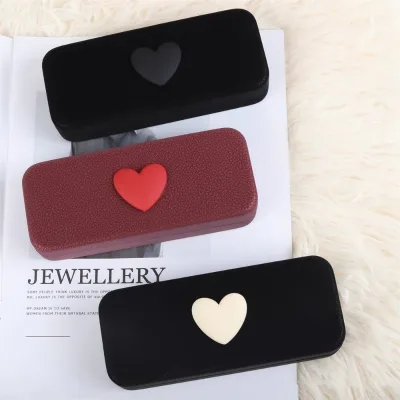


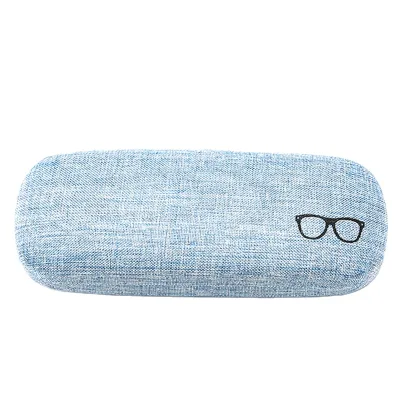


![[S084] Durable and Cheap Plastic Spectacle Case Made in China](https://image.made-in-china.com/221f0j00ZnfbEtJsCGrC/-S084-Durable-and-Cheap-Plastic-Spectacle-Case-Made-in-China.webp)


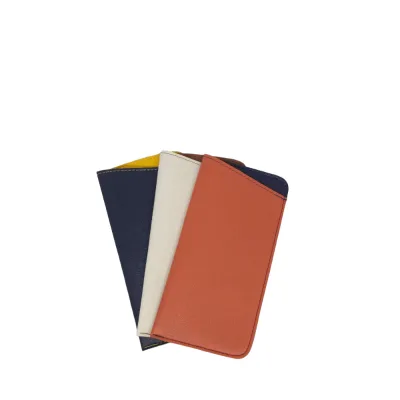


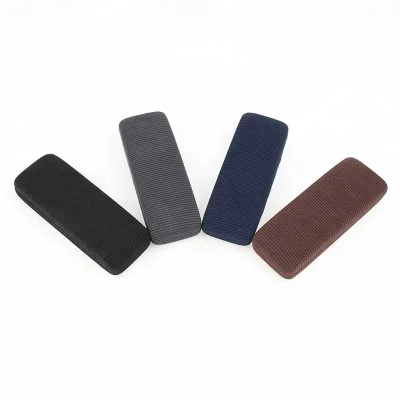
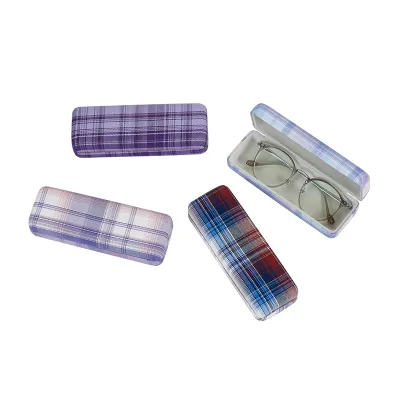
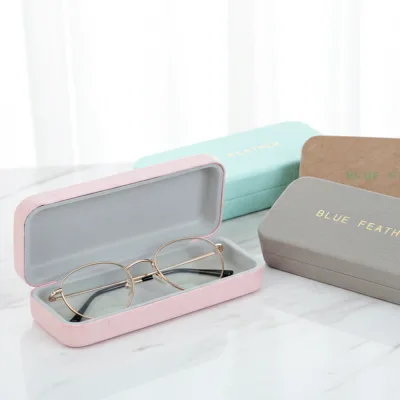
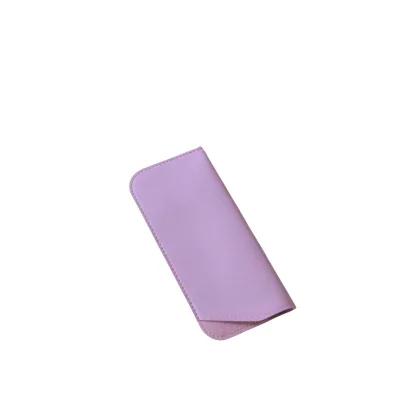

Comprehensive Sourcing Guide
Spectacle Case Sourcing Guide
Buyers must first distinguish between rigid protective cases and soft storage pouches, as the supplied data reveals a market split between PU leather and metal construction options. The observed listings indicate specific model numbers like SCL-63 and BM-023, which correspond to distinct structural designs ranging from rectangular boxes to specialized optical cases. Understanding these material differences is critical before initiating contact, as the intended use case dictates whether a waterproof feature or a simple fabric lining is the primary requirement for the product.
Procurement teams should also scrutinize the customization capabilities listed in the product attributes, specifically regarding logo placement and color variations. The data confirms that customer logos and customized colors are standard offerings, yet the specific finish types, such as polished surfaces or screen printing, vary by manufacturer. Buyers need to verify if the supplier can accommodate specific design elements like contrast colors or mirror back types, ensuring the final product aligns with the brand's aesthetic and functional expectations before committing to a large order volume.
Product Scope and Observed Listing Signals
The current market signals indicate a diverse range of spectacle cases, including items explicitly labeled as glasses packing boxes and general optical cases. Listings show a wide price variance from 0.13 to 299 USD, reflecting differences in material quality, such as the distinction between PU leather and metal compositions. This broad spectrum suggests that buyers must carefully define their budget constraints and quality thresholds, as the lowest price points may correspond to basic fabric-lined pouches while higher tiers likely involve rigid, polished metal or high-grade PU structures.
Observations of minimum order quantities (MOQ) reveal a significant disparity, with some suppliers requiring as few as 1000 pieces while others list thresholds as low as 200 units. This variation impacts inventory planning and cash flow, particularly for startups or brands testing new designs. Buyers should note that specific models like YFJ-T66 or BM-022 may carry different volume requirements, and the presence of mixed color options or specific shapes like triangles versus rectangles further complicates the scope, requiring precise specification matching to avoid receiving non-compliant stock.
Technical Specifications to Verify
Dimensional accuracy is a primary verification point, as the data presents conflicting size specifications ranging from 1664.8cm to larger packing dimensions of 555336cm. Buyers must confirm whether the listed dimensions refer to the individual case size or the bulk carton packing size to ensure compatibility with their retail shelving or shipping logistics. The presence of specific thickness measurements, such as 2mm, further indicates that structural rigidity varies, and verifying the exact internal and external measurements is essential to guarantee that the cases will securely hold the intended eyewear without damage.
Material composition and finish types require rigorous validation to ensure durability and aesthetic consistency. The supply data lists both PU and metal as primary materials, alongside fabric linings and polished finishes, which directly influence the product's hardness and water resistance. Buyers should explicitly request samples to test the waterproof claims, as some listings specify non-waterproof features while others advertise waterproof capabilities. Additionally, verifying the surface handling methods, such as screen printing for logos, ensures that the branding will remain legible and durable over the product's lifecycle.
Compliance and Safety Documentation
While the provided data highlights features like recyclability and specific material types, it does not explicitly confirm adherence to international safety standards or chemical compliance certifications. Buyers must independently request documentation proving that the materials used, particularly the PU leather and metal components, meet relevant safety regulations for consumer goods in their target markets. This includes verifying that any inks used for screen printing or logo customization are non-toxic and that the fabric linings do not contain harmful substances that could irritate skin or eyes.
The absence of explicit certification data in the listings necessitates a proactive approach to supplier qualification regarding product safety. Procurement teams should demand test reports for flammability, heavy metal content, and general material safety, especially since the products are intended for retail shops and general use. Without these documents, buyers risk non-compliance with local import regulations. It is crucial to establish that the supplier has a robust quality management system in place to ensure every batch meets the necessary safety thresholds before shipment.
Cost Drivers and Commercial Terms
The observed price range of 0.13 to 299 USD suggests that material costs and customization complexity are the primary drivers of the final unit price. Metal cases and those with specialized finishes like polishing or specific waterproof treatments will naturally command higher prices compared to standard fabric-lined or simple PU options. Buyers should analyze the cost structure to understand how much of the price is attributed to the raw material versus the value-added services like logo printing and custom color matching, which are explicitly listed as available features.
Commercial terms, particularly Minimum Order Quantities (MOQ), vary significantly across the market, ranging from 200 to 3000 pieces depending on the specific model and supplier. This variance directly impacts the total cost of ownership, as higher MOQs often reduce the per-unit cost but increase inventory holding risks. Buyers must negotiate terms that balance volume discounts with flexibility, ensuring they can secure competitive pricing without overcommitting to stock that may not sell, especially when dealing with customized colors or specific model numbers like SCL-63.
Supplier Qualification and Quality Control
Supplier qualification should focus on verifying the origin of production, as the data indicates manufacturing locations in both Hebei and Guangdong, China. These regions have different industrial ecosystems, and buyers should assess the specific factory capabilities to ensure they match the required production volume and quality standards. It is essential to confirm that the supplier has the necessary infrastructure to handle the specific customization requests, such as screen printing or mirror back types, without compromising the structural integrity of the case.
Quality control protocols must be established to address the variability in product attributes like hardness and shape consistency. Since the listings mention features ranging from medium soft to rigid metal, buyers should implement a strict inspection regime that includes random sampling and functional testing of the cases. This includes verifying that the folding mechanisms work correctly for unfolded items and that the internal fabric lining is securely attached. Establishing clear acceptance criteria for defects in surface handling or logo placement is vital to maintaining brand reputation.
Long-Term Procurement Checks
Sustainable sourcing practices are increasingly relevant, given the observed attribute of recyclability in some product listings. Buyers should evaluate the supplier's commitment to environmental standards by requesting information on the sourcing of raw materials and the end-of-life disposal options for the cases. Ensuring that the supply chain supports circular economy principles can enhance brand value and align with the growing consumer demand for eco-friendly products, particularly for items intended for retail shop environments.
Long-term partnerships require consistent monitoring of lead times and production stability to prevent supply chain disruptions. Buyers should track the supplier's ability to meet delivery schedules for repeat orders, especially when dealing with complex customizations like specific model numbers or unique color combinations. Establishing a clear communication channel for updates on material availability and production status will help mitigate risks associated with fluctuating market conditions and ensure a steady supply of high-quality spectacle cases for ongoing business needs.
FAQs
What materials are used for spectacle cases?
Spectacle cases are commonly crafted from PU leather and metal to ensure durability and a premium feel. Some designs incorporate fabric linings inside to protect lenses from scratches. These materials provide a balance of hardness and softness, offering reliable protection for eyewear while maintaining a stylish and modern appearance for retail display.
Can I customize the logo on the glasses box?
Yes, customized logos are available for most spectacle case orders. Buyers can provide their brand artwork for screen printing or other finishing techniques. This customization allows retailers to enhance brand visibility and create a unique product identity. It is advisable to confirm logo placement and color options with the supplier before production begins.
What is the typical MOQ for these glasses cases?
The minimum order quantity varies by supplier, typically ranging from 200 to 3000 pieces. Some manufacturers offer lower MOQs of around 1000 pieces for standard models. Buyers should check specific product listings for exact requirements. Lower MOQs may be available for customized designs, though they might affect unit pricing and production lead times significantly.
Are these spectacle cases waterproof?
Waterproof features depend on the specific model and material construction. Some PU leather cases are designed to be waterproof, while others are non-waterproof. Metal cases may offer different levels of protection. Buyers should verify the waterproof status for each product variant to ensure it meets their storage and transport requirements for eyewear in various environments.
What sizes are available for the glasses packing boxes?
Standard sizes include dimensions like 16x6x4.8cm for individual cases and larger packaging boxes measuring 55x53x36cm. Custom sizes are also available to fit specific eyewear styles. Buyers can choose from rectangular or other shapes depending on design needs. It is important to verify internal dimensions to ensure a snug fit for the glasses being packaged.
Where are these spectacle cases manufactured?
These products are primarily manufactured in China, with origins in regions like Hebei and Guangdong. These areas are known for their robust manufacturing capabilities and supply chains. Buyers can expect efficient production processes and competitive pricing. It is recommended to verify the specific place of origin for each supplier to understand logistics and shipping implications.